
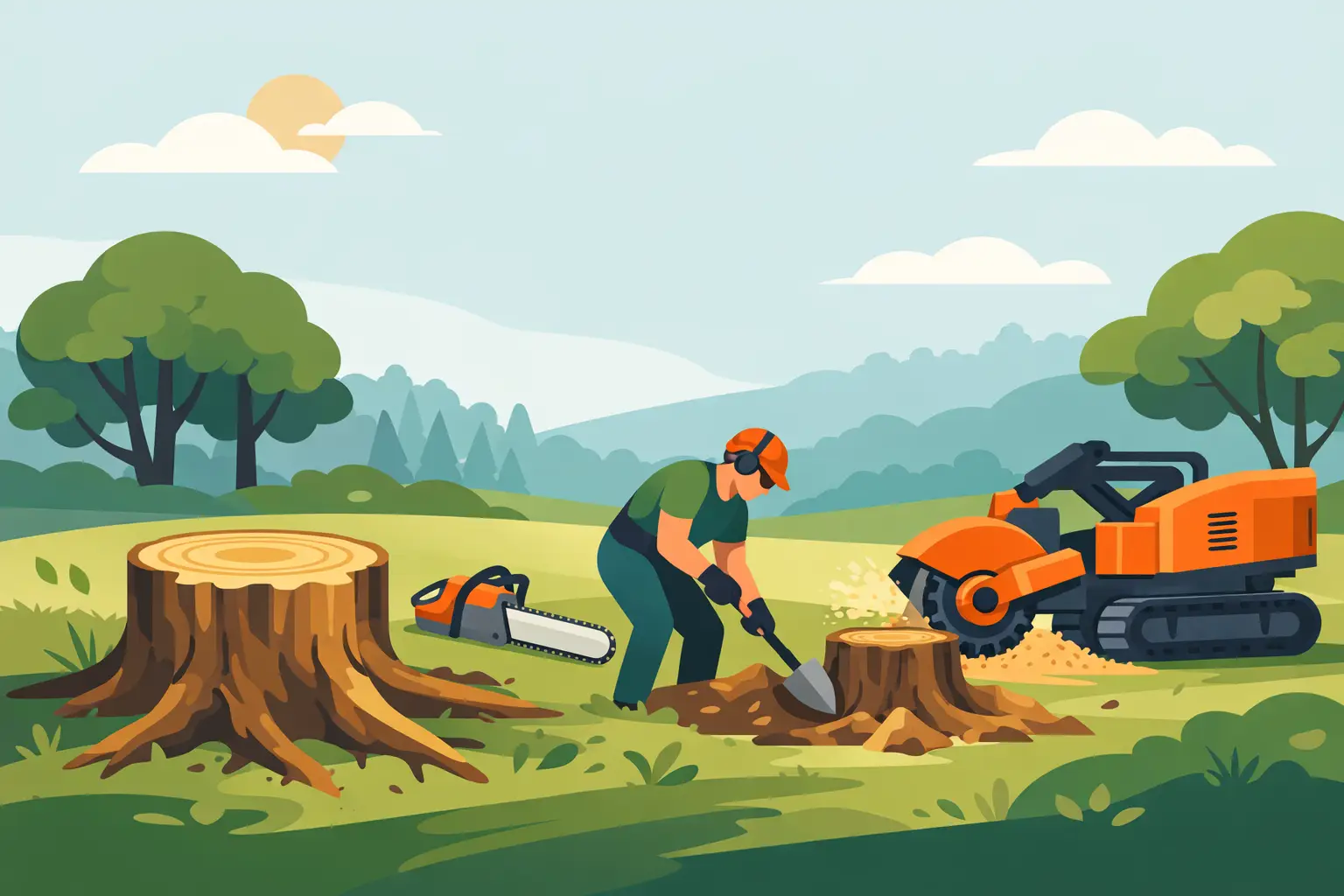
A tree comes down, the clean-up looks nearly finished, and then that stump sits there longer than anyone planned. If you are wondering when should tree stumps be removed, the short answer is this: usually sooner rather than later, especially if the stump is in a lawn, garden bed, accessway or future work area.
That said, timing depends on what the stump is doing to the space. Some stumps are mostly an eyesore. Others create trip hazards, attract pests, get in the way of landscaping, or keep sending up unwanted shoots. The right time to remove one is when it starts affecting safety, appearance, maintenance or your plans for the property.
When should tree stumps be removed around a home?
For most residential properties, the best time is soon after the tree has been removed. Fresh stumps are often easier to deal with as part of the same job, and removing them early stops the site from becoming harder to manage later.
A leftover stump can interrupt mowing lines, make edging awkward and spoil the finish of an otherwise tidy garden. In smaller front yards or visible areas near driveways, entertaining spaces or footpaths, it tends to stand out even more. Homeowners often leave a stump thinking they will deal with it later, but later usually means after new lawn, edging or planting has already been planned around it.
If the area is going to stay untouched for a while, there may be less urgency. But if you want to seed lawn, replant, build a garden edge, improve drainage or create usable space, stump removal should come first. It is much easier to start with a clear area than to work around an old base and roots.
Signs it is time to remove a stump
Some timing decisions are obvious. If the stump is causing a problem now, there is not much value in waiting.
One of the clearest signs is regrowth. Many species will keep trying to survive after the trunk is cut, sending up shoots from the stump or roots. That turns one removal job into ongoing maintenance. If you are cutting back suckers every few weeks, the stump is already costing you time.
Another sign is decay. As a stump breaks down, it can soften, crack and become more unstable. That may not sound serious, but in a family yard, shared outdoor area or commercial site, a rotting stump can become a trip point or hidden hazard, especially once grass grows around it.
Pests are another reason not to wait too long. Decaying timber can attract ants, beetles, borers and sometimes termites, depending on the site and surrounding conditions. A stump out the back fence may not seem urgent at first, but if it starts harbouring pests close to structures, fences or garden features, the risk changes.
Then there is access. If the stump sits where machinery, trailers, wheelbarrows or vehicles need to pass, it limits how the property functions. The same applies on commercial sites, rental properties and larger lifestyle blocks where practical movement matters as much as appearance.
When should tree stumps be removed before landscaping?
If landscaping is planned, the answer is simple: before the new work starts.
This is one of the most common situations where timing matters. A stump left in place can interfere with excavation, soil preparation, edging, paving, lawn installation and planting layouts. Even if the visible stump is small, the root system can still affect levels and make the area harder to shape properly.
For example, if you are creating a new lawn, the surface needs to be level and free of obstacles. If you are installing a garden bed, retaining edge or hardscape element, the stump can block clean lines and proper placement. If excavation or drainage work is involved, buried roots may slow the whole job down.
Removing the stump first gives you a cleaner base to work from and helps avoid redoing finished areas later. It is one of those steps that often feels easy to postpone, but it saves time and money when handled at the right stage.
Seasonal timing matters, but not as much as the site use
People often ask whether there is a best season for stump removal. In practical terms, stump grinding and removal can be done at most times of year, but site conditions can affect the job.
Dry conditions usually make access easier and reduce mess, especially on lawns and softer garden areas. Wet ground can limit machinery access or leave ruts if the site is already saturated. That is worth considering in winter or after heavy rain.
Still, season matters less than what you need the area for. If a stump is in the way of a project, a safety risk, or causing repeated maintenance issues, it makes sense to remove it when the problem appears rather than waiting for a so-called perfect month.
The main exception is if the ground is unusually soft or access is tight and you want to protect surrounding surfaces. In that case, a short delay may be sensible. Good planning matters more than the calendar.
Reasons some people wait – and when that makes sense
There are cases where delaying removal is reasonable. If the stump is well away from structures, paths and active garden areas, and it is not sprouting, decaying badly or attracting pests, it may not need immediate attention.
Some property owners leave a stump temporarily while they decide on the broader layout of the yard. Others keep it because they are staging outdoor work over time and want to combine stump grinding with other services later.
That can be practical, but there is a difference between planned delay and forgetting about it. A stump that is harmless today may still become a bigger nuisance as roots shift, growth returns or the area around it changes.
If you are unsure, it helps to think in terms of future use. Will this area stay exactly as it is for the next year or two? Or is it likely to become lawn, planting, access space or part of a garden upgrade? If the answer is yes, removing the stump earlier is usually the better option.
Safety, appearance and property value
Not every stump is dangerous, but many become inconvenient in ways that chip away at how a property looks and works. In front gardens, they can make the whole space feel unfinished. In backyards, they interrupt mowing and reduce usable room. On investment or commercial properties, they can suggest delayed maintenance even when the rest of the site is in decent shape.
That matters because outdoor presentation has a flow-on effect. A clean, usable section is easier to maintain and makes a better impression. If the stump is in a visible position, removing it can lift the look of the area straight away.
For landlords, body corporates and business owners, this is not just cosmetic. Reducing trip hazards and making grounds easier to maintain is part of keeping the property functional. For homeowners preparing to sell, stump removal is often one of those simple improvements that helps the garden look finished rather than half-cleared.
What happens after removal?
One reason people delay stump grinding is uncertainty about the aftermath. They worry the area will be left rough or unusable. In reality, the next step depends on your plans.
After removal, the space can usually be backfilled, levelled and prepared for lawn, planting or other landscaping work. If there are larger roots near the surface, those may also need attention depending on what is going in above them. The key is to think beyond the stump itself and plan the finish.
This is where an experienced outdoor contractor adds value. It is not only about getting rid of the timber. It is about leaving the area ready for the next stage so the property actually improves, rather than just looking like a stump used to be there.
For many Hawke’s Bay property owners, that is the real answer to when should tree stumps be removed. Remove them when they stop the space from being safe, tidy or useful – and ideally before you spend money improving the area around them.
A stump rarely gets better with age. If it is in the way of the garden you want, the safest move is usually to clear it and give the space a proper fresh start.