
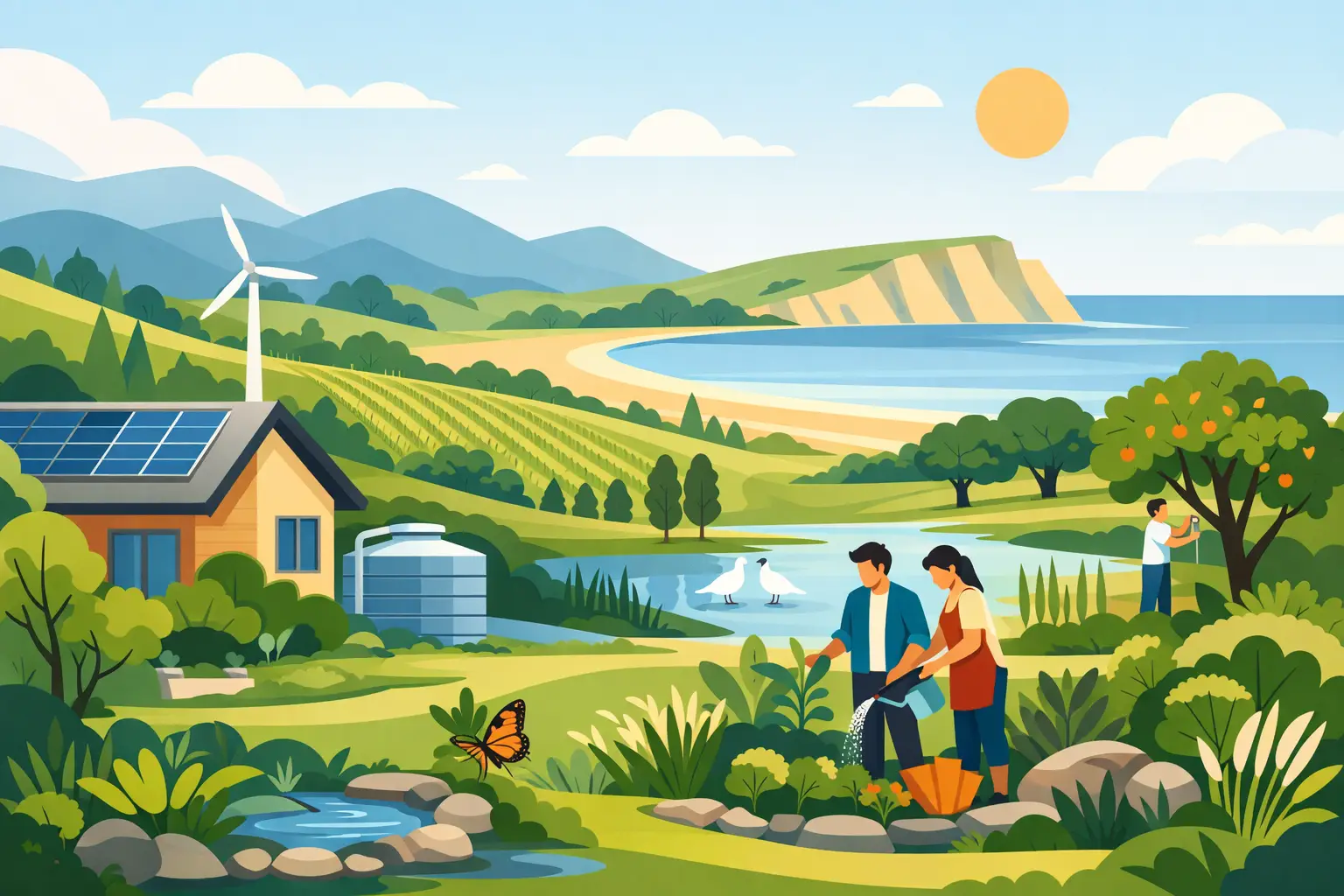
A garden that needs constant watering, regular replacement planting and endless green-waste removal can look good for a season, but it is expensive to keep that way. The most useful sustainable landscaping trends are not about following a style. They are about building outdoor spaces that cope with Hawke’s Bay conditions, suit the way a property is used and stay tidy with less waste, water and ongoing effort.
For homeowners, that can mean a better-looking front garden without the weekend workload. For commercial properties, it can mean a clear, well-maintained entrance that presents professionally without demanding excessive maintenance. The right approach depends on the site, the soil, sun exposure, drainage and how much care the garden will realistically receive.
Sustainable landscaping trends that work locally
Water-wise planting with purpose
Planting for lower water use remains one of the strongest shifts in garden design. Rather than filling every bed with thirsty plants, property owners are choosing hardy species that can establish well and handle dry periods once their roots are developed.
Native plants are often a sensible option because many are suited to local conditions and provide shelter and food for birds and beneficial insects. However, a sustainable garden does not have to be native-only. Mediterranean plants, well-chosen grasses, flowering perennials and productive plants can all work well when they are planted in the right position and grouped by similar water needs.
The key is to avoid putting plants where they will struggle. A shade-loving plant in a hot, exposed border will need more attention and water than it should. A careful planting plan considers mature size too, so shrubs are not constantly cut back or removed after outgrowing a tight space.
Lawns that match the property
A large, perfectly green lawn can use a significant amount of water and maintenance during a dry Hawke’s Bay summer. This does not mean every lawn needs to disappear. Lawns are useful for families, pets, gatherings and creating a clean open area around a home or business.
The trend is towards using lawn where it earns its place. A smaller, healthy lawn with defined edges is often more practical than turf spread across every available area. Unused corners can become planted beds, mulched areas, paths or outdoor living zones. Lawn seeding and soil preparation are also becoming more targeted, with the right grass choice and groundwork helping the lawn establish properly rather than relying on constant watering to survive.
For commercial sites, reducing awkward mowing strips and hard-to-reach lawn patches can make regular maintenance safer, faster and more cost-effective.
Mulch and healthier soil
Good soil is not the most visible part of a landscape, but it is where sustainable results begin. Healthy soil holds moisture longer, supports stronger root growth and helps plants recover from heat and wind. Adding organic matter where needed and using mulch around beds can reduce evaporation, suppress weeds and improve the finished appearance of a garden.
Mulch is not a one-size-fits-all solution. It needs to be applied at an appropriate depth and kept clear of plant stems and tree trunks. Too little will not control weeds well, while mulch piled against trunks can trap moisture and cause problems. The material also matters. A natural bark or woodchip mulch may suit garden beds, while gravel can be more suitable in a dry, contemporary planting scheme.
Reusing suitable chipped green material on site can reduce waste and provide useful mulch. Some material, especially diseased plant matter or invasive weeds, should be removed instead. Sustainable landscaping means making sensible decisions about each material, not simply keeping everything on the property.
Designing for water, shade and runoff
Water management is moving from an afterthought to a central part of landscape planning. Heavy rain can quickly wash soil and mulch from bare areas, while extended dry spells put pressure on lawns and shallow-rooted plants. A well-designed garden should help slow water down, direct it away from buildings and make the most of it where possible.
Simple changes can have a real effect. Garden beds can be shaped to catch runoff rather than shed it straight onto hard surfaces. Permeable paths and gravel areas allow water to soak through, while carefully placed planting reduces exposed soil. Downpipes may be directed into suitable collection systems or planted areas, provided drainage is planned properly and water is kept away from foundations.
Shade is another practical consideration. Deciduous trees can provide relief from summer heat while allowing more winter light through. In smaller gardens, a pergola, screen or well-placed tree can make an outdoor area more comfortable without relying on energy-heavy cooling indoors. Tree work should be handled carefully, though. Removing an overgrown or unhealthy tree may improve safety and light, but mature trees also provide valuable shade, habitat and visual character. The best outcome is usually a planned replacement, not a bare section left behind.
Durable hardscaping is part of sustainability
Sustainability is often discussed in terms of plants, yet hardscape choices have a major impact on how long an outdoor space performs. A path that puddles, an edging line that fails or a poorly built bin area that becomes difficult to clean will need repairing sooner. Quality preparation and sound construction reduce that cycle.
Current landscaping trends favour practical, durable structures that make day-to-day property care easier. Defined garden edging keeps mulch and soil where they belong, creates clean mowing lines and gives planting areas a finished look. Functional bin areas can keep rubbish storage discreet and accessible. Stable paths, steps and outdoor surfaces make gardens safer to use through wet weather and prevent people from trampling planted beds to get where they need to go.
Reclaimed materials can be a good choice where they are structurally sound and fit the design. But reusing materials just because they are available is not always the sustainable option. A surface that is uneven, unsafe or likely to fail will create more work later. It is better to choose materials that suit the site, can be maintained properly and will last.
Less waste, better maintenance
A low-waste garden is easier to manage when regular maintenance is planned before the garden becomes overgrown. Pruning at the right time keeps plants healthy and prevents the need for severe cutbacks. Removing weeds early avoids large infestations. Clearing dead vegetation and managing problem trees can also protect surrounding planting and improve safety.
This is particularly relevant for rental properties, business sites and busy households, where garden jobs can build up quickly. An ongoing maintenance plan does not need to be excessive. It simply needs to match the property and the season. Some gardens benefit from frequent tidying, while others only need scheduled pruning, mowing, weed control and mulch top-ups.
When major clearing is needed, it is worth looking beyond the immediate visual result. Stump grinding, vegetation removal and excavation can open up a neglected site for a new garden or functional outdoor area. The next step should be a plan for what replaces the cleared space, whether that is lawn, planting, access, drainage or a useful structure. Leaving compacted bare ground after removal often creates dust, weeds and runoff problems.
Choosing trends that suit your site
The best sustainable gardens are not copied from a display home or designed around a short-lived social media look. They reflect how the property works. A family may need open lawn and tough planting around play areas. A commercial property may need clear access, low-maintenance beds and an orderly entrance. A smaller town garden may benefit most from privacy planting, shade and a compact entertaining space.
Before starting work, consider what is not working now. It could be water running across a path, overgrown shrubs blocking light, plants that fail every summer or a lawn area that is difficult to maintain. These problems give a clear starting point for a practical redesign.
Kandu Gardens approaches outdoor improvements with that balance in mind: tidy, hard-wearing results that improve the property now and make it easier to care for over time. A well-planned garden does not need to be complicated. It needs the right groundwork, the right materials and a design that gives every part of the section a useful job to do.
If you are considering changes, start with one area that creates the most ongoing work or frustration. Improving that space properly can set the direction for a garden that feels more usable, looks more polished and asks less of you season after season.