
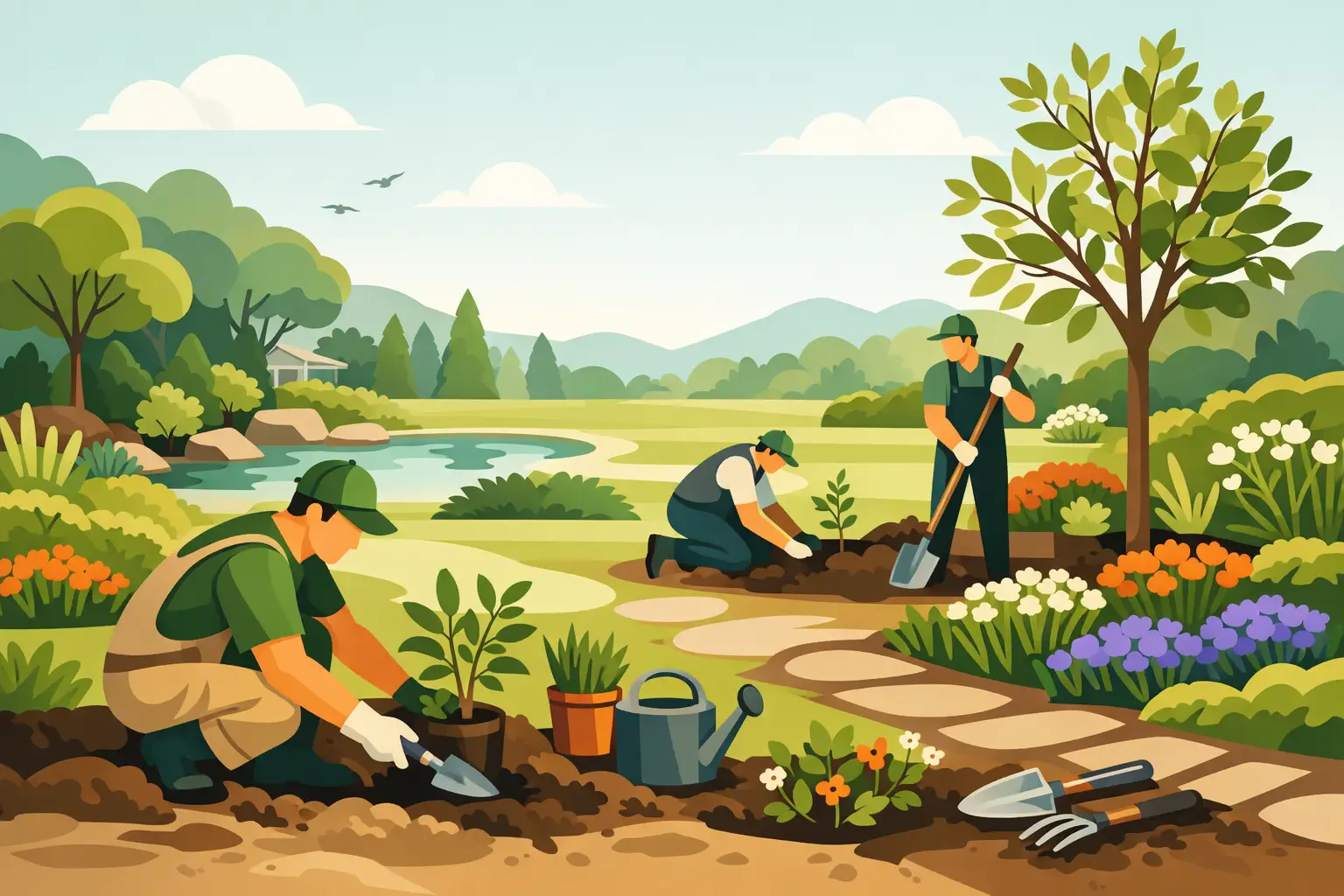
A garden can look tired for all sorts of reasons. The wrong plants were put in years ago, the beds have become patchy, the edges are messy, or the whole space feels harder to maintain than it should. That is where garden planting services make a real difference. Done properly, planting is not just about filling gaps. It is about choosing the right plants for the site, improving how the space works, and creating a garden that keeps looking better as it settles in.
For homeowners, that often means stronger street appeal, less time spent battling overgrown areas, and a yard that feels finished. For commercial properties, it can mean a cleaner, more professional presentation that is easier to keep tidy. In both cases, the quality of the planting work matters just as much as the plants themselves.
What good garden planting services actually include
A proper planting service starts well before anything goes into the ground. The first step is understanding the space. Soil condition, drainage, sun exposure, access, existing trees, and surrounding structures all affect what will thrive and what will struggle.
From there, the planting plan needs to suit the property. Some clients want a fresh, low-maintenance look that frames the lawn and softens hard edges. Others need privacy planting, feature gardens near entryways, or a full refresh of neglected beds. On commercial sites, durability and neat presentation usually matter just as much as visual impact.
The actual work can include clearing old growth, removing unwanted plants, reshaping beds, improving soil, setting out plant positions, installing edging, mulching, and watering everything in properly. If the area has other issues, such as poor drainage or stumps getting in the way, those need to be addressed first. Planting on top of underlying problems usually leads to wasted time and money.
Why plant choice matters more than most people expect
A lot of planting problems come back to one simple issue – the plants never suited the site. A garden might look great on day one, but if the varieties are wrong for the location, growth becomes uneven, maintenance increases, and replacements start adding up.
Sun and shade are a common example. Plants that need full sun can become thin and weak in sheltered corners, while shade-loving plants often burn off in exposed spots. Soil type also plays a part. Some plants cope well with heavy or compacted ground, while others need freer drainage and more soil preparation to establish properly.
Then there is the question of size. Small plants can be deceiving. What looks tidy at planting time may become too large for the bed, crowd paths, block windows, or interfere with fences and structures. Choosing with the mature size in mind helps avoid hard pruning or removal later.
This is where practical planting advice counts. A good result is not about chasing the trendiest selection. It is about choosing plants that will hold their shape, suit the conditions, and deliver the look the client wants without creating unnecessary upkeep.
Garden planting services for low-maintenance results
Many property owners want a better-looking garden, but they do not want a space that turns into a weekly chore. That is a fair concern. Some gardens are planted in ways that look full quickly but need constant trimming, feeding, and replacing to stay presentable.
Low-maintenance planting starts with layout as much as plant choice. Beds should be sized sensibly, with enough room for growth and access for future care. Clean edging helps define the garden and keeps lawns from creeping into planted areas. Mulch helps suppress weeds, retain moisture, and give the whole area a finished appearance.
It also helps to mix structure with softness. A few reliable shrubs or feature plants can anchor the design, while groundcovers or smaller fillers reduce bare patches and help keep the bed tidy. The aim is not to make the garden look sparse. It is to make it manageable.
That balance depends on the client. Some people are happy to do occasional pruning and seasonal tidy-ups. Others want something they can mostly leave alone. There is no single right answer, but the planting plan should match how the property will actually be looked after.
When a garden needs more than new plants
Sometimes clients ask for planting when the bigger issue is that the whole area needs resetting. If the garden is full of roots, compacted ground, old stumps, poor edges, or heavy overgrowth, new plants alone will not solve it.
In those cases, groundwork comes first. Removing unwanted vegetation, dealing with stumps, trimming back overgrown trees, or reshaping the area can completely change what is possible. Excavation may be needed to level a space, improve access, or prepare for new garden beds. Hardscaping elements such as edging, retaining features, or practical structures can also help make the space easier to use and maintain.
That is often the difference between a short-term tidy-up and a proper improvement. Planting works best when it is part of a broader plan for the site, not a quick cover-up.
Garden planting services for homes and commercial sites
Residential and commercial planting jobs often have different priorities, even when the work looks similar on the surface. Homeowners usually want a space that feels more welcoming, more polished, or easier to enjoy. They may want to frame an entrance, soften a fence line, refresh a front yard, or create a more usable backyard.
Commercial clients and property managers usually need consistency, presentation, and reliability. The site has to look cared for without becoming a maintenance headache. Entry areas, shared outdoor spaces, office frontages, and rental properties all benefit from planting that stays neat and durable over time.
That is why a one-size-fits-all approach rarely works. The best planting jobs respond to the purpose of the property. A family home can carry more personality. A commercial site often needs cleaner lines and tougher plant choices. Both deserve the same attention to workmanship.
What to expect from a professional planting process
A good planting project should feel straightforward from the start. That means clear communication, practical recommendations, and honest advice about what will work best on the site.
The process usually begins with a look at the existing space and a discussion about what the client wants to change. Sometimes the answer is a simple refresh of tired beds. Other times it is a staged improvement that includes clearing, edging, soil work, lawn seeding, pruning, and planting.
Once the scope is clear, the work should be planned around access, timing, and site conditions. Planting in the right conditions gives new plants a better start, but there are trade-offs. If an area is severely overgrown or causing safety and access issues, clean-up may need to happen first, with planting timed to suit establishment conditions.
After installation, aftercare matters. New plants need water, and some may need light shaping or monitoring as they establish. That does not mean constant fussing. It means giving the work the support it needs to settle in properly.
Why workmanship shows in the finished result
People notice neat lines, healthy plants, and tidy beds, even if they cannot explain why one garden looks better than another. The difference is usually in the details. Plants spaced properly. Soil prepared well. Edges that are crisp. Mulch applied evenly. Beds shaped to suit the space instead of looking like an afterthought.
Those details affect more than appearance. They influence drainage, maintenance, plant health, and how long the result lasts. Poor workmanship often shows up later through patchy growth, exposed roots, weed problems, and a garden that never quite looks settled.
Reliable service matters too. Property owners want someone who turns up, communicates clearly, and does what was agreed. That is especially important when a planting job connects with other outdoor works. If one part is delayed or poorly handled, the final result suffers.
For clients across Hawke’s Bay, that is why practical experience matters so much. A dependable team such as Kandu Gardens can see the whole site, not just the planting bed in front of them, and that usually leads to a better outcome.
Choosing garden planting services with confidence
If you are comparing providers, look beyond the plant list. Ask whether they consider site conditions, maintenance needs, and the bigger picture of the property. A tidy planting job is good. A planting job that improves how the whole space looks and functions is better.
It also helps to choose a service that can handle related work if needed. Overgrown sections, stump removal, edging, pruning, lawn repair, and structural garden improvements all influence the final result. Dealing with those elements together can save time and avoid rework.
The best gardens do not happen by accident. They come from practical planning, solid preparation, and workmanship that holds up once the job is done. If your outdoor space feels unfinished, overgrown, or harder to manage than it should be, the right planting work can change more than the look of it. It can make the whole property easier to live with and easier to be proud of.