
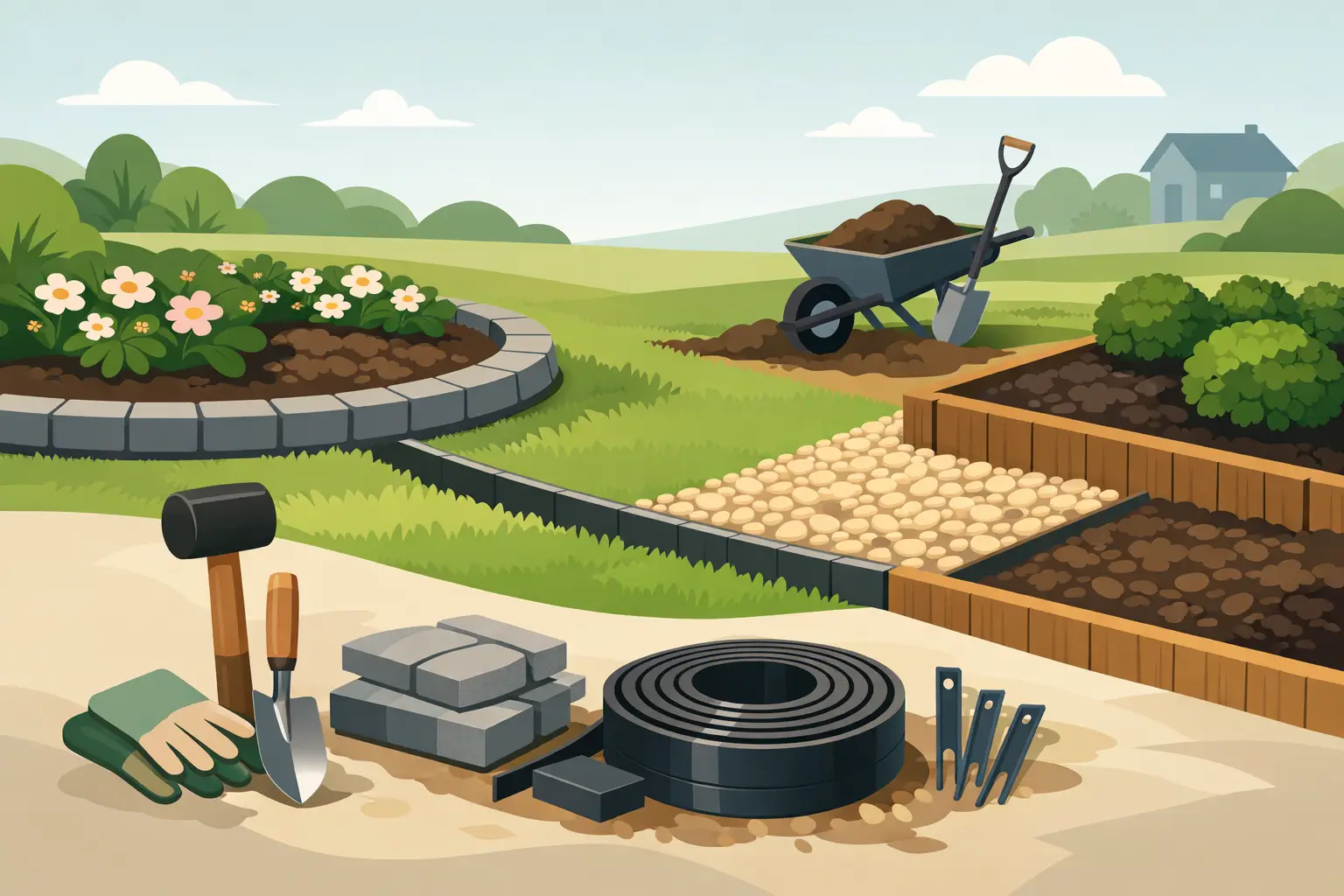
A neat garden edge can make the whole property look sharper. It separates lawn from garden beds, keeps mulch and soil where they belong, and cuts down the time spent tidying messy borders. When people ask about garden edging installation cost, the real answer is not one flat number – it depends on the material, the length of the edge, the condition of the site, and how much preparation is needed before anything goes in.
For homeowners and property managers in Hawke’s Bay, edging is often one of those upgrades that looks simple from the street but makes a big difference in day-to-day maintenance. It helps lawns stay defined, stops garden beds from creeping outward, and gives the whole outdoor area a more finished feel. If you are planning a new garden or tidying up an older one, it is worth understanding where the cost sits and what you are actually paying for.
What affects garden edging installation cost?
The biggest factor is the material. Basic plastic edging is usually at the lower end of the price range, while concrete, stone, brick, steel, or custom timber work generally costs more. Material choice changes not just the supply cost, but also the labour involved. Some products install quickly in straight runs, while others need careful setting, cutting, levelling, and finishing.
Site conditions matter just as much. A flat, open lawn edge with easy access is faster to install than a steep section, a tight backyard, or a garden bed full of roots and old debris. If the installer needs to remove existing edging, dig out compacted ground, deal with stumps, or reshape the garden line, the labour component rises.
Length also plays a part, but not always in a simple way. A longer run can improve value per metre because setup time is spread across more work. On the other hand, short jobs with awkward curves, corners, or multiple separate sections can cost more per metre because they still require travel, tools, and setup.
Typical price ranges by material
As a general guide, garden edging installation cost is often priced per lineal metre, with extra charges for excavation, removal, or site clean-up where needed. In many cases, basic edging options may start around the lower end of the range, while premium finishes can sit much higher once labour is included.
Plastic or flexible roll edging is commonly the most affordable. It suits simple garden borders and can work well when the goal is a tidy separation rather than a standout feature. The trade-off is durability. In busy gardens or commercial areas, it may not hold up as well over time as stronger materials.
Timber edging usually sits in the middle. It can look natural and warm, especially in residential gardens, but the final cost depends on the timber selected, whether the edge is flush or raised, and how the timber is secured. Treated products last longer, though they still need consideration in wet areas or where long-term wear is a concern.
Steel edging has become a popular choice for modern landscapes because it gives a clean, crisp line and handles curves well. It generally costs more than basic plastic or simple timber, but it offers a more refined finish and tends to perform better over time.
Brick, pavers, stone, and concrete edging are usually the more labour-intensive options. These can create a strong visual border and suit both classic and higher-end landscape designs. They also need more groundwork, accurate levelling, and in some cases a compacted base or mortar. That added work is often reflected in the quote.
Labour is not just the install itself
One reason people underestimate garden edging installation cost is that they picture the final material going in, but not the work before and after. Good edging starts with setting out the line properly. If the edge is uneven, too shallow, or poorly aligned, it will stand out for the wrong reasons.
Preparation may include removing grass, cutting a trench, clearing roots, carting away spoil, and compacting the base. After installation, there may also be backfilling, mulch tidy-up, soil reshaping, and lawn reinstatement. On some properties, getting the site ready is the bigger task than placing the edging itself.
This is also where workmanship matters. Cheap work can end up costing more if edging shifts, lifts, or starts leaning after the first heavy rain. A properly installed edge should look straight where it needs to be straight, smooth where it curves, and solid enough to cope with regular garden use.
Why quotes can vary so much
Two quotes for the same length of edging can be very different because the scope may not be the same. One contractor might price supply and installation only, while another includes disposal, minor excavation, reshaping the bed line, and final clean-up. On paper, the cheaper price can look better, but it may leave out work that you assumed was included.
It is also common for properties to have hidden complications. Old concrete under the lawn, buried roots, irrigation lines, poor drainage, or access issues can all affect the final cost. A proper on-site assessment usually gives a more accurate figure than a rough phone estimate.
For that reason, quote-driven work is often the best approach. It gives you a price based on your actual garden rather than a broad online average that may not match your site at all.
Choosing the right edging for your budget
The best option is not always the cheapest per metre. A lower-cost material may suit a quick tidy-up, a rental property, or a garden bed that will likely change in the next few years. If you want something more permanent, spending more upfront can make sense.
Think about how the edge will be used. If it needs to hold back gravel, create a clean mowing line, or frame a front entrance garden, strength and finish matter. If the main goal is simply stopping lawn from pushing into mulch, a simpler product may do the job well.
Visual fit matters too. A well-chosen edge should suit the house, the planting style, and the rest of the landscape. Strong steel lines can suit contemporary homes. Timber works nicely in softer, more natural gardens. Brick and stone can tie in with existing paths, patios, or boundary features.
When extra costs are worth expecting
There are a few situations where added cost is normal rather than excessive. Sloping ground often needs more careful levelling and support. Curved designs usually take longer than straight runs. Raised edging, heavy materials, and tight access through side paths or gates can all increase labour time.
If the job is part of a bigger outdoor upgrade, the edging cost may also connect with other site work. For example, if garden beds are being rebuilt, lawns reseeded, or overgrown areas cleared, the total project cost will reflect the broader transformation. In those cases, edging is only one part of getting the outdoor space working properly again.
Getting better value from the project
If you are trying to manage costs, the easiest win is usually to combine edging with related garden work. Doing site preparation, planting, mulching, or lawn repairs at the same time can be more efficient than booking separate visits later.
Keeping the layout practical also helps. A clean design with sensible curves and a defined scope is usually more affordable than a garden full of tight turns and small isolated sections. It still looks polished, but it is faster to build and easier to maintain.
Most importantly, ask what is included. A clear quote should tell you whether materials, labour, waste removal, and clean-up are covered. That gives you a proper basis for comparison and helps avoid surprises once the work starts.
Is professional installation worth it?
For some simple products, a handy homeowner can install edging themselves. But if you want a durable result, have tricky ground conditions, or are investing in premium materials, professional installation often pays off. The edge will usually look better, last longer, and save rework later.
That is especially true when the garden needs more than just edging. A contractor who understands excavation, planting, shaping, drainage, and overall layout can make sure the edging supports the whole space rather than just acting as a border. That practical, end-to-end approach is where experienced teams like Kandu Gardens can add real value.
A good garden edge does more than separate one area from another. It makes the whole property feel looked after, easier to maintain, and better organised. If you are weighing up garden edging installation cost, the smartest move is to focus on the result you want, the conditions on your site, and the standard of finish you expect. A clear quote and the right workmanship will usually tell you more than any generic price guide ever could.