
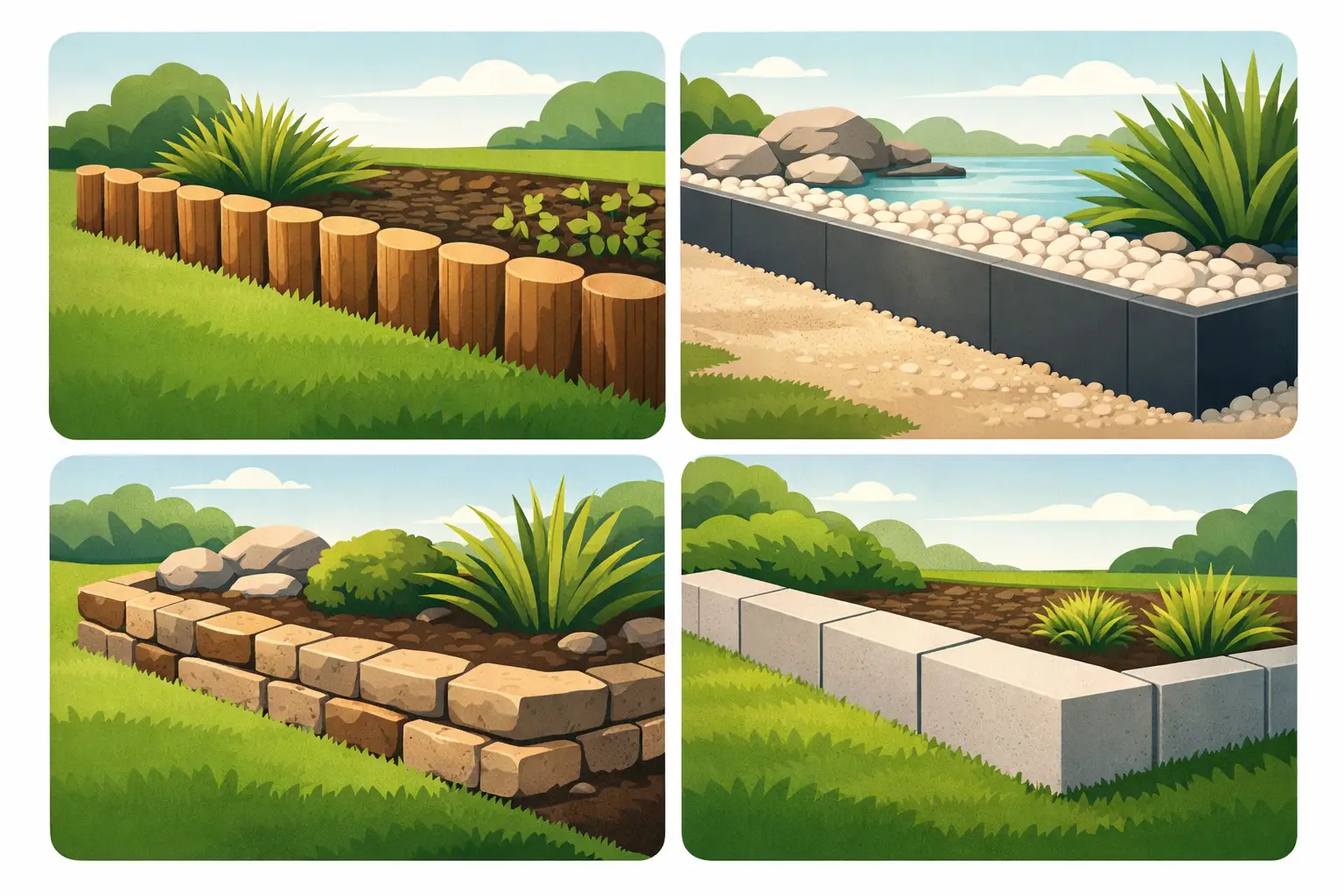
A tidy edge changes the whole look of a garden. It separates lawn from garden beds, keeps mulch where it belongs, makes mowing easier and gives the space a more finished feel. If you are weighing up the best materials for garden edging, the right choice comes down to how you want the area to look, how much maintenance you can tolerate and how long you want it to last.
Some edging materials are better for sharp, formal lines. Others suit softer, more natural gardens. Some are budget-friendly but wear faster, while others cost more upfront and save work over time. For most properties, there is no single perfect option. There is a best fit for the site, the soil, the style of the home and the amount of use the garden gets.
What makes the best materials for garden edging?
Good edging should do more than look neat on the day it goes in. It needs to hold shape through weather, mowing, foot traffic and seasonal changes in the soil. In Hawke’s Bay conditions, that usually means choosing a material that can cope with sun, dry spells and occasional heavy rain without shifting, cracking too easily or rotting out.
The best materials for garden edging usually balance five things – durability, appearance, maintenance, installation complexity and cost. If one of those matters more than the others, that will quickly narrow your options. A rental property or commercial site may prioritise low maintenance. A front garden near the entry may focus more on presentation. A large backyard project may need something that looks good without blowing the budget.
Steel edging
Steel is one of the cleanest-looking options available. It creates a crisp line between lawn and garden beds and works especially well in modern landscapes or properties where you want a sharp, understated finish. It can be used in straight runs or gentle curves, so it suits both formal and relaxed layouts.
Its main strength is durability. Quality steel edging holds its shape well and stands up to mowing and general wear. It also sits relatively unobtrusively in the garden, which lets plants and paving do the visual work.
The trade-off is cost. Steel generally sits at the higher end compared with basic timber or plastic options, and proper installation matters. Poorly installed steel can shift or become uneven over time. It is often worth the investment where a polished, long-lasting result is the goal.
Aluminium edging
Aluminium offers a similar neat finish to steel but with better resistance to rust. That makes it a practical option in locations where moisture might be a concern or where you want a lightweight material that is still durable.
It tends to be easier to handle than steel and can work well for curved designs. The appearance is tidy and professional, although some property owners prefer the heavier feel of steel for premium projects.
Price can still be a factor, and not every garden needs this level of finish. But if you want edging that stays straight, looks smart and asks very little of you once installed, aluminium is a strong contender.
Timber edging
Timber remains a popular choice because it is accessible, versatile and suits many garden styles. It works particularly well in cottage gardens, vegetable beds and outdoor spaces where a softer, more natural look is important. Sleepers and treated boards can create clear definition without looking too harsh.
From a budget point of view, timber can be attractive. It is often less expensive upfront than metal, brick or concrete, and it can be easier to customise on site. That makes it useful for homeowners who want a practical upgrade without a major hardscaping bill.
The downside is lifespan. Even treated timber will eventually break down, especially where it stays in contact with damp soil. It may warp, fade or attract pests over time. If you like the look of timber and do not mind replacing sections down the track, it can still be a very worthwhile choice.
Concrete edging
Concrete edging is built for longevity. It suits properties where the garden layout is established and you want a strong boundary that will stay put for years. It works well around lawns, driveways, paths and large garden beds, particularly in homes with more structured landscaping.
One of concrete’s biggest advantages is strength. It handles wear well and can create either a simple practical border or a more decorative finish, depending on the design. For commercial properties or high-traffic residential areas, that reliability is hard to beat.
It is, however, less forgiving than some other materials. Once installed, it is not easy to change. It can also feel too hard or heavy in very informal gardens. Cracking is possible if the base is poor or the ground moves, so quality preparation matters just as much as the material itself.
Brick edging
Brick gives a garden a classic, established look. It is especially effective with traditional homes, older properties or courtyards where you want edging to tie in with existing brickwork or paving. It can be laid in different patterns, flush with the ground or slightly raised for a more decorative effect.
A well-laid brick edge can last a long time and offers good visual character. It is more attractive than many budget materials and can make a garden feel intentionally designed rather than simply divided up.
That said, brick is more labour-intensive to install than flexible strip edging. Weeds can also appear in joints if the installation is not done properly or if maintenance is neglected. It is a good option where appearance matters and the property suits a more timeless style.
Stone edging
Stone has a natural, solid presence that works beautifully in relaxed or higher-end garden designs. It pairs well with gravel, native planting, feature trees and informal pathways. Depending on the stone used, the look can range from rustic to quite refined.
Durability is a major advantage. Stone does not rot, and it can age very well. It also helps a garden feel grounded and substantial, especially when the surrounding landscape already includes natural materials.
The main consideration is cost and installation time. Stone is heavier, often more expensive and can be less uniform, which means the finish depends heavily on skill. It is not always the most economical way to edge a large lawn, but for feature areas it can be one of the best-looking choices.
Plastic and composite edging
Plastic edging is often chosen because it is affordable and quick to install. It is commonly used for simple bed separation and can be useful in low-cost garden makeovers or temporary improvements. Composite products can offer a step up in appearance and durability while still keeping costs moderate.
For some projects, this type of edging does the job perfectly well. It is lightweight, flexible and practical for curved garden beds. If the goal is simply to keep grass out of mulch and create a cleaner line, plastic can be enough.
Where it falls short is long-term performance and appearance. Lower-grade products can become brittle, lift out of the ground or look obvious in the garden. On front-facing areas where presentation matters, it may not give the level of finish many property owners are after.
Which garden edging material is right for your property?
The right answer depends on what the garden needs to do. If you want a premium, low-maintenance finish, steel or aluminium often makes sense. If you prefer warmth and a natural look, timber or stone may suit better. If durability is the priority, concrete and brick are both strong choices.
It also helps to think about the surrounding features. A modern home with straight lines will usually suit metal or concrete edging better than rough stone. A planted cottage-style garden may look more comfortable with timber or brick. The edge should feel like part of the landscape, not an afterthought.
Maintenance is another practical factor. A material that looks great on install day is not necessarily the best choice if it needs regular repairs or replacement. Many property owners are happier spending a little more upfront for an edge that stays neat with minimal effort.
Installation matters as much as the material
Even the best materials for garden edging can disappoint if they are installed poorly. Uneven levels, weak fixing, poor base preparation and rushed layout work all show up quickly once the garden settles in. Edging should follow the shape of the space cleanly, sit at the right height and be secure enough to handle regular use.
That is why professional installation often makes the difference between an edge that looks acceptable and one that lifts the whole garden. A well-finished edge improves mowing, keeps beds defined and gives the property a cared-for appearance from every angle. For homeowners and commercial clients wanting a result that lasts, workmanship matters just as much as the product itself.
If you are unsure where to start, it is usually worth choosing the material that fits your property long term, not just the cheapest option on the day. The best garden edging is the kind that still looks right a few seasons from now, after the plants fill in and the rest of the garden has grown into place.