
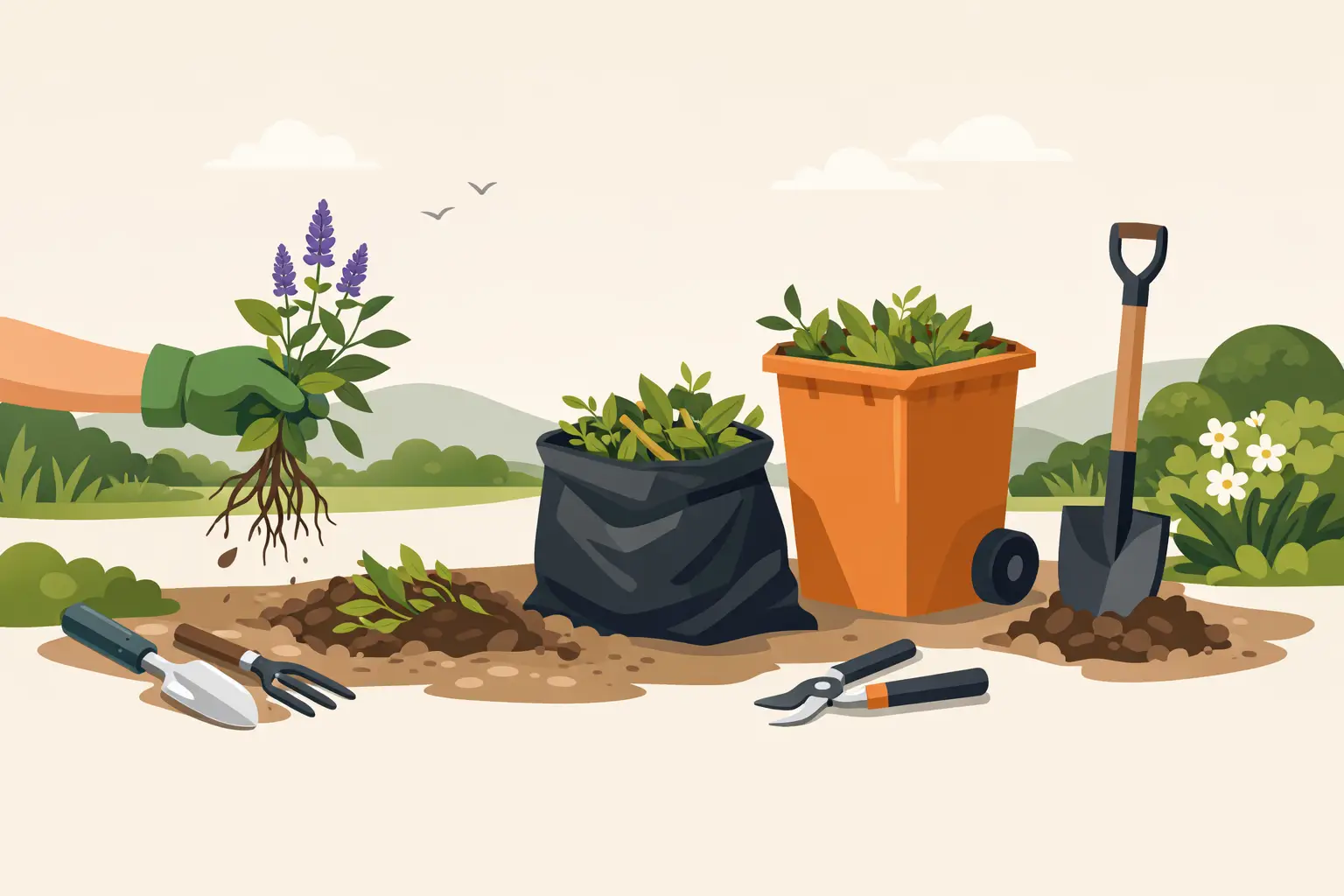
A tidy garden can quickly become difficult to manage when one fast-growing plant starts taking over. Removing invasive garden plants is not simply a matter of cutting back what you can see. Many species spread through roots, runners, bulbs, seeds or fragments left in the soil, so a quick trim often creates more work later.
For homeowners, landlords and commercial property managers, early action protects lawns, garden beds, fences, drains and neighbouring spaces. A well-planned removal job also makes room for planting that is easier to maintain and better suited to how you use the property.
Know the difference between vigorous and invasive
Not every large or fast-growing plant is invasive. Some plants are simply overdue for pruning or have been planted in the wrong spot. An invasive plant is one that spreads beyond its intended area, competes with other plants and keeps returning despite basic garden maintenance.
Common warning signs include stems running across lawns, roots lifting edging, seedlings appearing well away from the parent plant, or dense growth smothering shrubs and small trees. Climbers can also hide damage to fences, sheds and retaining walls until the plant is removed.
Correct identification matters. A plant with shallow runners may respond well to hand removal, while one with deep roots or persistent rhizomes needs a more deliberate approach. If you are unsure what you are dealing with, take clear photos of the leaves, stems, flowers and any fruit before starting work.
Start with a removal plan, not a slash-and-leave job
Before cutting, look at the whole affected area. Trace the plant back to its main crown or root zone, check whether it has spread into neighbouring beds, and note anything that needs protecting. This may include irrigation lines, buried services, established trees, paving, timber edging and desirable plants growing close by.
It is also worth deciding what will happen after removal. Bare soil is an open invitation for weeds and new seedlings. In most gardens, the best result comes from removing the invasive growth, improving the soil if needed, then replanting or mulching promptly.
For larger infestations, work from the outside edges towards the centre. This prevents runners, seed heads and cut pieces from being carried through clean parts of the garden. Avoid working on very windy days if the plant has dry seed heads that can scatter easily.
Choose the removal method to suit the plant
There is no single method that suits every invasive garden plant. The most reliable option depends on the species, the size of the patch, the season and what is growing nearby.
Hand removal for small, shallow-rooted patches
Hand removal works well when plants are young, the soil is moist and the root system is manageable. Use gloves, a hand fork or spade to loosen the soil and lift out as much of the root as possible. Pulling from dry, compacted ground often snaps roots off below the surface, which can allow the plant to regrow.
This method takes time, but it gives good control around vegetable gardens, newly planted beds and sensitive areas where spraying is not appropriate. Expect to check the area again over the next few months, as missed pieces can still emerge.
Digging out crowns, bulbs and runners
Plants that spread through bulbs, tubers or underground runners need more thorough excavation. Cut back the top growth first so you can see the ground clearly, then dig beyond the visible plant to find spreading roots. A narrow spade is useful around garden edges, while heavier digging tools may be needed for mature clumps.
Do not shake soil carelessly from roots if it contains small bulbs or fragments. Place the material straight into a suitable container or trailer for disposal. Leaving it in a pile beside the garden can simply move the problem a few metres away.
Cut-and-treat methods for woody weeds and climbers
Woody invasive shrubs and established climbers can be difficult to remove by hand without disturbing surrounding soil or damaging nearby plants. In these cases, cutting the stem close to ground level and applying an approved treatment to the fresh cut surface can be more targeted than broad spraying.
Any herbicide must be selected and applied strictly according to its label directions. Wear the required protective gear, protect waterways and drains, and avoid using products where rain, wind or overspray could affect plants you want to keep. If the site is close to children, pets, food gardens or a shared boundary, professional advice is often the safer option.
Mechanical removal for dense, overgrown sites
When invasive plants have formed a thick mass over a large area, machinery and experienced operators can make the job safer and more efficient. This is especially useful where heavy roots, old stumps, buried rubbish or uneven ground are involved.
Mechanical clearing is not always the first answer. It can disturb soil and expose weed seed, so it should be followed by a plan for cleanup, levelling, mulch, lawn repair or new planting. Done properly, though, it can turn an unusable corner of a section into a clean, practical outdoor area.
Dispose of plant material carefully
The removal stage is only successful if the waste is handled properly. Do not put seed heads, roots, bulbs or runner-filled clippings into a home compost heap unless you know they will be fully destroyed. Many invasive plants survive ordinary composting conditions and return when the compost is spread through the garden.
Bag or contain the material securely and use an approved green waste option where appropriate. Check local disposal requirements for declared or problem weeds, as some plants need particular handling. Keep cut material off the verge, out of waterways and away from vacant ground where it could establish again.
Restore the area so weeds do not return
Once the invasive growth is gone, the site can look bare and unfinished. That is normal, but it is also the point where good follow-up work makes the biggest difference. Remove remaining roots and rubbish, reshape any damaged garden edge, and improve compacted soil before planting.
A layer of suitable mulch helps suppress seedlings, retain moisture and give the garden a finished appearance. Keep mulch clear of plant stems and building cladding, and top it up as it breaks down. In open spaces, lawn seeding or new groundcover can help stabilise soil and reduce room for unwanted plants.
Choose replacement plants with their mature size in mind. A plant that looks small and tidy at purchase can become another ongoing maintenance issue if it is too close to paths, fences or foundations. Grouping plants with similar water and pruning needs also makes regular care simpler.
Check back before regrowth gets established
Most invasive plant removal is a process rather than a one-off job. The first visit can clear the bulk of the problem, but follow-up checks catch new shoots before they become another dense patch. Check every few weeks during active growing periods, then less often once the area is stable and well covered.
Pay particular attention to fence lines, under hedges, behind sheds and along drainage areas. These are the places where invasive plants can go unnoticed until they spread into a larger job. A quick removal of a few new shoots is far easier than another full clearance.
When to bring in a garden professional
It makes sense to call for help when growth is tangled through mature trees, climbing over structures, covering a large boundary or hiding uneven ground. The same applies if the plant is close to power lines, drainage, retaining walls or buried services. These jobs need the right equipment, safe working methods and a clear disposal plan.
A professional garden team can assess the site, remove overgrown vegetation, deal with stumps or heavy root systems where required, and leave the area ready for its next purpose. At Kandu Gardens, the focus is on practical results: clear the problem, protect the parts of the garden worth keeping, and create a space that is easier to enjoy and maintain.
The best time to act is before an invasive plant becomes the main feature of the garden. Clearing one troublesome patch now can protect the work, money and care already invested in the rest of your outdoor space.